Port Arthur Shingle Repair is a free referral service. We connect callers with independent local roofing professionals. In Port Arthur, shingles rarely leave quietly and never without a reason: a Gulf storm works at a loosened tab, sealant gives up after years of humid summers, and one morning there is a bare patch on the slope and pieces in the yard. Every rain after that lands on underlayment that was never built to be the roof's outer skin. Call, describe what you found, and we connect you with a local professional who can find the gap, match the repair to the roof around it, and tell you honestly what the rest of the surface is doing.
What is missing shingle repair, and why does it matter here?
Missing shingle repair is the work of closing the gaps that wind, heat, and age open in an asphalt shingle roof: locating every bare patch, lifting the courses around it without cracking them, fitting replacement shingles into the same pattern and nailing line, and sealing the repair so the slope sheds water as one surface again. It sounds simple, and on a young, healthy roof it mostly is. The catch is that a missing shingle is seldom just a missing shingle. It is evidence — of a sealant bond that has let go, of nails that have backed out of aging decking, or of a slope whose shingles have gone brittle in the Southeast Texas sun. A proper repair reads that evidence while it closes the hole.
Port Arthur gives shingles a harder life than most places ask of them. This city sits on the Sabine-Neches estuary, a short distance from the open Gulf, and its weather arrives in two registers: the long, humid grind of summer, which softens sealant and bakes granules loose month after month, and the sudden violence of tropical storms and hurricanes, which have crossed this coast repeatedly and tested every roof in the city at once. Between those registers, ordinary thunderstorm lines rolling off the water lift tabs that were already tired. The full picture of the core service is set out under missing shingle repair, while broader wear across a whole slope belongs to shingle roof repair.
When you call, expect to be asked what you actually saw — pieces in the yard, a dark patch visible from the street, a stain that appeared after the last rain — and roughly where on the roof it sits. From there, we connect you with an independent local roofing professional. Your provider gets up there, finds the gap and checks the courses around it, and explains what the repair involves and what shape the rest of the roof is in. Nothing is decided on the first call, and no work begins until you have agreed it with your provider directly.
Services
Roofing services you can be connected with in Port Arthur
Shingles are the focus here, from the single tab a storm took last week to the inspection that tells you what the whole roof has left. These are the services Port Arthur homeowners most often ask to be connected with.
Missing Shingle Repair
The core service: every bare patch found, measured, and closed with replacement shingles worked into the existing pattern, nailed on the correct line, and sealed so driven rain cannot get under the repair. A proper missing shingle repair also reads the slope around the gap — because the tabs beside a failed shingle shared its wind, its heat, and its years, and they are the most likely to follow it. The visit leaves you knowing whether you had a one-off loss or the first page of a longer story.
When the trouble is wider than one gap — cracked tabs across a slope, lifted edges along the rake, flashing that has opened at a chimney — the job becomes general shingle roof repair, putting the whole surface back into working order rather than chasing single spots.
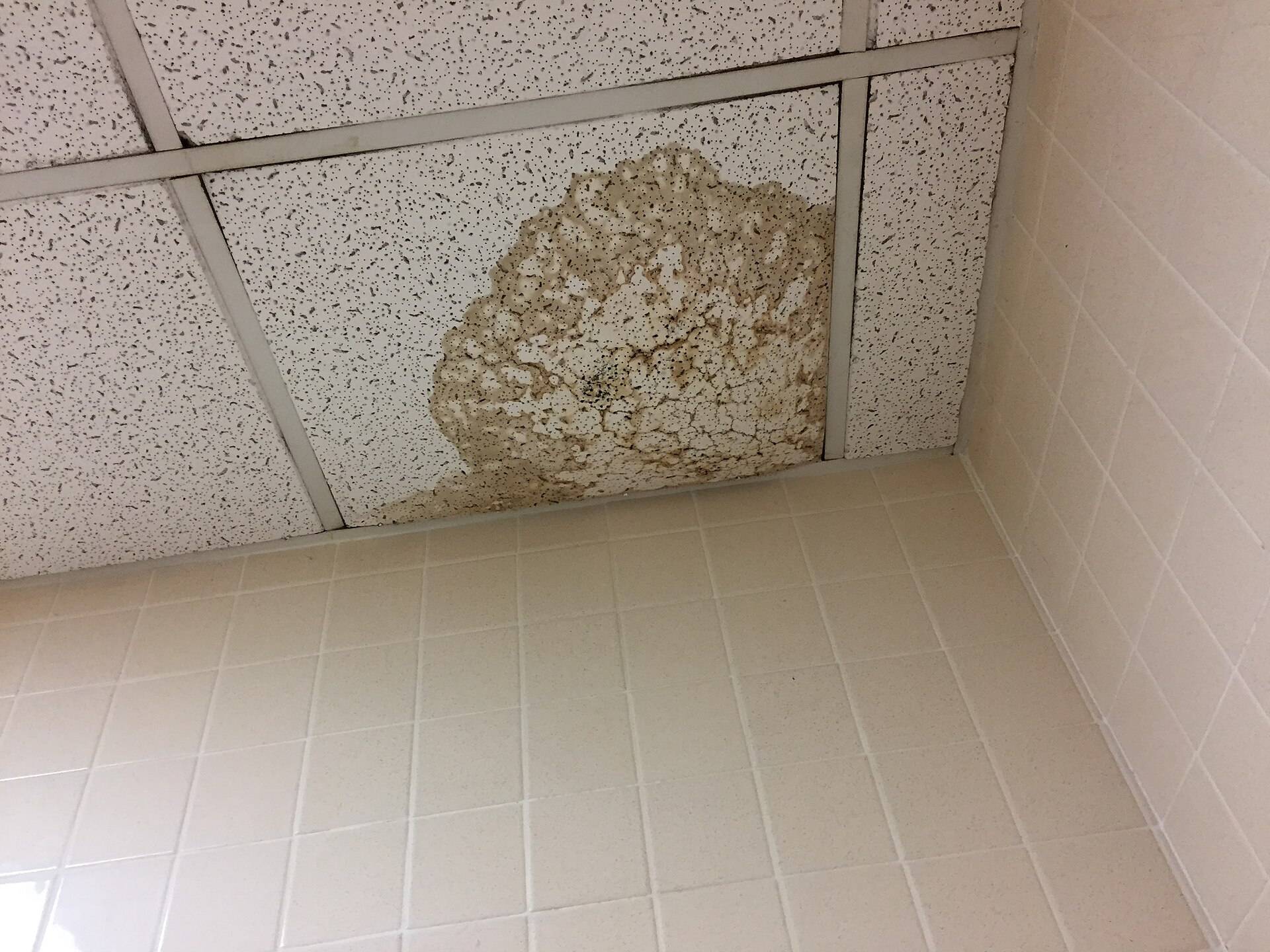
A ceiling stain means water has already crossed the roof and the attic, and its entry point is seldom straight above the mark. Roof leak repair traces the water back to where it gets in — often a gap exactly like a missing shingle — and closes the source instead of the symptom.
Port Arthur roofs carry hurricane history, and a hard blow still takes shingles by the course. Storm damage roof repair covers the full read of a storm-hit roof: what tore away, what lifted and settled back, and what needs attention before the next system arrives.
Sometimes the honest question is not about one shingle but about the whole roof: how much life is left in it, which slopes are aging fastest, and whether repairs are still the sensible path. A roof inspection answers with evidence — surface condition, fastening, flashing, and deck feel, slope by slope — so the decision that follows is made on facts rather than on the view from the driveway. Owners of the city's older housing stock, and anyone buying or selling a Port Arthur home, lean on this service most.
A section gone in the night, water coming through a ceiling while rain is still falling — some calls cannot wait for a quiet week. Emergency roof repair help is one call away, day or night, when a Port Arthur roof is open to the weather.
Shingle roofs in this climate announce their decline in a consistent order, usually one windy night at a time. If two or more of these sound familiar, it is worth talking through missing shingle repair before the wet season makes the introduction itself.
Shingle pieces in the yard
Whole tabs or fragments on the lawn, in the driveway, or against the fence after a blow. Every piece on the ground is a gap in the surface above it.
Dark patches visible from the street
A spot that reads darker or smoother than the slope around it is often exposed underlayment or decking where shingles used to be.
A ceiling stain after rain
A ring that darkens after hard weather means water has found a path through the roof build-up. A recent gap is high on the list of suspects.
Tabs curling or cracking
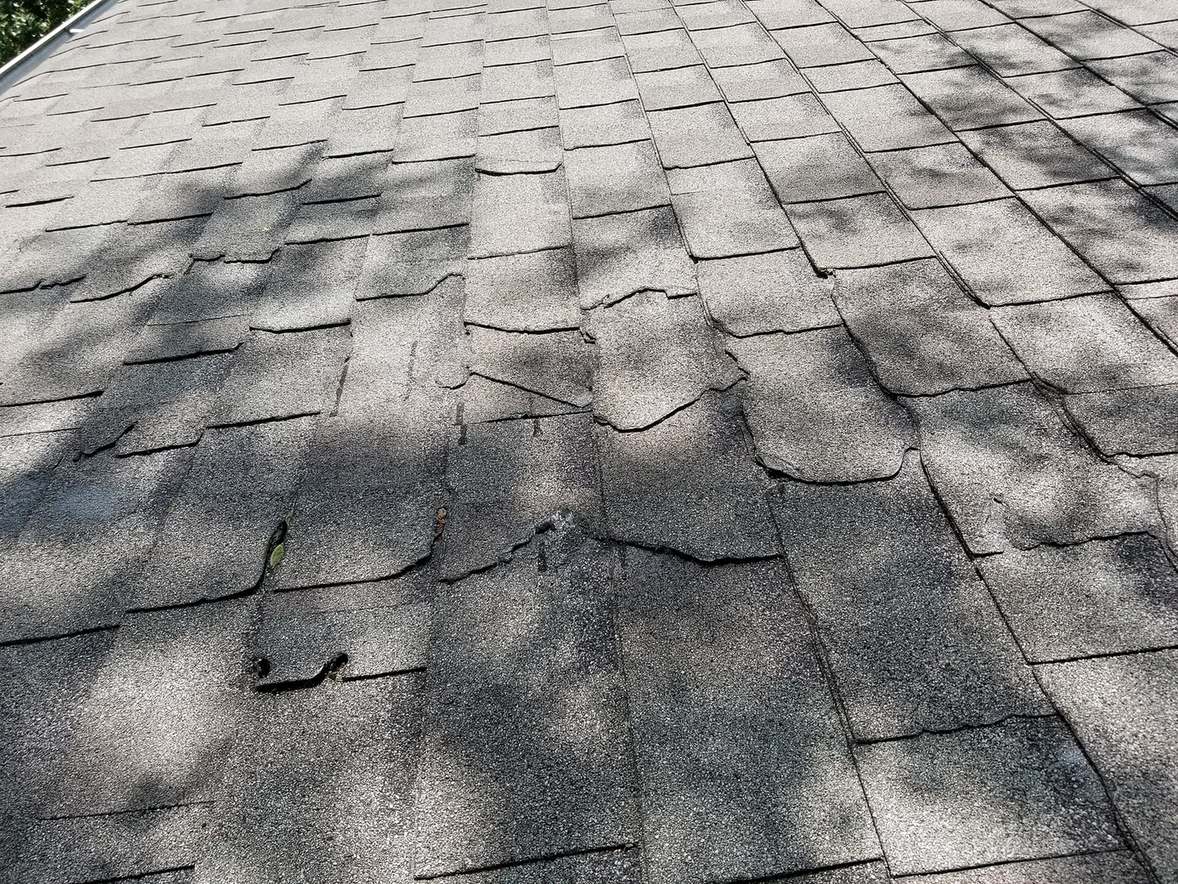
Edges cupping upward and corners snapping off when touched are the signature of shingles baked through too many humid Gulf summers.
Grit washing out of the gutters
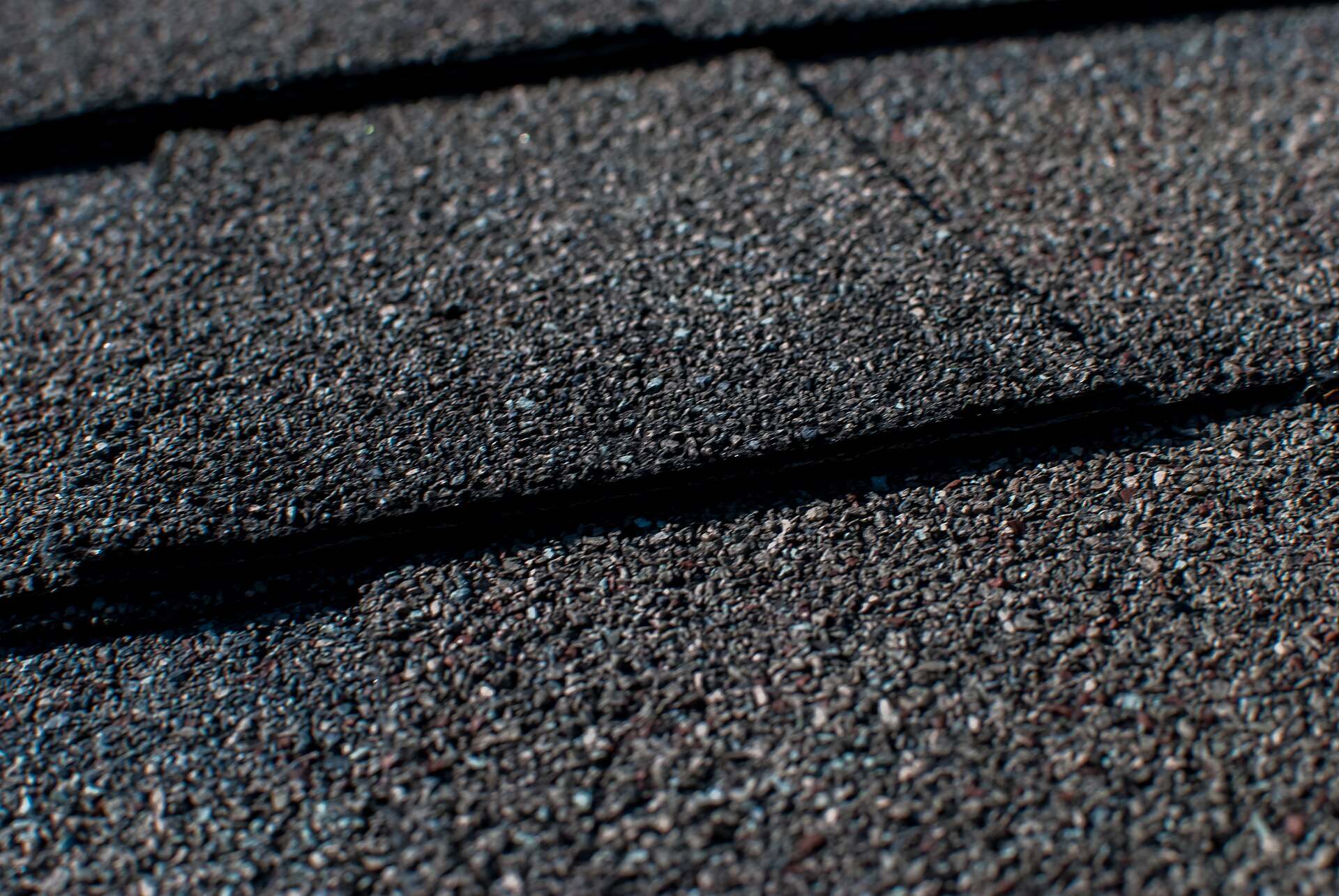
Granules piling at downspout outlets mean the protective surface of the shingles is leaving — and thinner shingles flex, crack, and lift more easily.
An older roof nobody has checked
Much of Port Arthur's housing stock carries roofs that went on years ago and have only ever been looked at from the ground. Age plus this coast's weather deserves one documented look.
Any single sign can have a small explanation, which is why a proper look beats guessing. If a section is already gone, water is coming in, or a storm is forecast against an open patch, skip the deliberation and go straight to emergency roof repair. Otherwise, one call gets the gap found and the slope around it read honestly, while the repair is still the small version of itself.
In-depth guide
Why shingles leave Port Arthur roofs — and what a proper repair does about it
A shingle stays on a roof through three things working together: the nails through its top edge, the sealant strip bonding it to the course below, and the weight and stiffness of the shingle itself. Port Arthur's conditions attack all three, in a particular order, and understanding that order explains both why shingles go missing here and why a good repair is more than dropping a new tab into the hole.
Humidity, heat, and the sealant bond
The Sabine-Neches climate is wet even when it is not raining. Humid air sits on roofs for most of the year, attic heat builds under dark shingles through the long summer, and the sealant strips that bond one course to the next soften, gather grit, and slowly lose their grip. A shingle whose bond has failed is held by its nails alone, and it flutters at the edges in ordinary wind — each flutter working the tab a little looser, the way a loose tooth goes. By the time a storm arrives, the shingle it takes was usually already halfway gone.
Heat does the slower work alongside it. Asphalt shingles shed their granules a little more each season, the asphalt itself dries and stiffens, and tabs that once lay flat begin to curl at the corners. A curled, brittle tab catches wind that a flat, supple one would shrug off, and it cracks instead of flexing when a gust works it. This is why missing shingles cluster on the sunniest slopes of Port Arthur homes and on the older housing stock across the city, where roofs have simply had more summers to spend.
Storm wind, and the pattern it leaves
When a tropical system or a hard thunderstorm line crosses the coast, the wind does not take shingles at random. It starts at edges and corners — rake lines, eaves, ridge caps — where uplift is strongest, and at any tab whose bond has already failed. Hurricane seasons have stripped whole slopes in this city within living memory, and the repair pattern afterward is always the same: the roof tells you, gap by gap, exactly where its weak points were. Even a modest blow leaves a readable pattern, and a professional reads it rather than simply filling the visible holes, because the tab beside each gap took the same gust.
Good to know
After any storm strong enough to move lawn furniture, walk the yard before you mow it. Shingle pieces on the ground, and roughly where they landed, point your provider toward the slope to check first. Photograph what you find with the date noted — that small record genuinely shortens the search.
How a proper missing shingle repair actually works
The repair follows a sequence, and each step exists because skipping it is how patches fail:
Find every gap: the whole slope is read, not just the spot above where pieces landed, because wind rarely takes exactly one shingle.
Check the surface beneath: exposed underlayment is examined for tears and sun damage, and the decking under it is felt for softness that would mean water arrived before the shingle left.
Lift the courses above with care: the shingles overlapping the gap are raised gently — on an older roof this is slow work, because brittle neighbors crack if they are forced.
Fit replacements into the pattern: new shingles are cut and slid in so exposures and offsets match the surrounding courses, then nailed on the same line as the originals.
Seal and settle the patch: tabs are sealed down so the repaired area bonds to the courses around it and presents one continuous surface to wind-driven rain.
Done that way, a repair is not a patch pasted over a problem; it is the roof's surface made whole again at that spot. And the visit produces something else of value: a read on the roof as a whole. If the gaps were isolated bad luck, you will hear that. If the bond has failed across a slope, the roof inspection page explains how that wider picture is documented before you decide anything.
What happens after the repair
Your provider walks the finished area with you, shows you what was replaced and what was found around it, and explains the simple habits that extend the repair's life — keeping gutters moving, watching the yard after storms, and having the roof looked at when pieces appear rather than after a stain does. The aim is a roof that stops appearing in your worries between storms, which in Port Arthur is the most any homeowner can fairly ask of one.
Watch out
Be cautious of any cost figure offered before someone has actually been on the roof. How many shingles are gone, what the underlayment underneath looks like, and whether the decking has softened all change the real shape of the job. Your provider can discuss costs with you directly once the slope has been looked at properly.
How it works
How it works, from first call to closed gap
Four simple steps, and you stay in control of every decision that involves your home and your money.
1
Call and describe what you found
Call (409) 336-0692 and talk through the evidence: pieces in the yard, a patch you can see, a stain inside, and which part of Port Arthur the home is in.
2
We connect you with a local professional
Based on what you describe and where the home stands, we match your request with an independent local roofing professional, and your provider arranges the visit with you.
3
Your provider finds and reads the gaps
Your provider locates every missing shingle, checks the underlayment and decking beneath, and lays out what the repair involves — including what the rest of the slope is doing.
4
You decide before any work begins
You choose whether and when to go ahead, and your provider carries out the repair you agreed on. No work begins on your roof until you have approved it with your provider.
To be clear about how this service works: Port Arthur Shingle Repair is a free referral service. We connect callers with independent local roofing professionals. When you call, we connect you with an independent local roofing professional — we do not repair roofs ourselves. The professionals callers are connected with find, advise on, and carry out any repair you later decide to have done.
Why timing matters
Why an open patch rarely improves with waiting
A missing shingle leaves the roof's second line of defense holding the weather alone, and underlayment was built to be a backup, not a surface. Sun degrades it, wind worries at its edges, and each Port Arthur downpour pushes water against nail heads and lap lines that the shingles were supposed to shield. The gap does not stay the same size, either: the tabs around it, already loosened by the same gust that took their neighbor, lift a little further with every blow that follows.
What grows underneath is the expensive part. Decking that takes water through an open patch softens, and soft decking holds nails poorly — so the repair area quietly widens from a few shingles to a section of roof structure. Inside, water that reaches the attic wets insulation and ceilings, and in this humidity it does not dry out quickly or kindly. A repair that was a morning's work in the week the shingle landed in the yard can become a deck repair and a ceiling repair by the end of a wet season.
None of that argues for panic; it argues for sequence. Get the gap found and closed while it is small, learn what the slope around it is doing, and then decide about anything larger on your own schedule. If the news is that the rest of the roof is sound, you have bought that knowledge for the cost of a phone call. If water is already coming in or a storm is bearing down on an open patch, do not wait — see the emergency roof repair page and call straight away.
Cost factors
What affects the cost of a missing shingle repair
There is no honest single figure for this work, because the job is shaped by what the wind actually took and what is found underneath it. These are the factors that shape it — providers discuss costs directly with you after the roof has been looked at, when the scope is actually known.
Common cost factors
Factor
Why it matters
How many shingles are gone
One tab and a scattered pattern across two slopes are different jobs in materials, time, and the care needed around them.
Condition of the underlayment
Exposed underlayment that is intact can be worked over; torn or sun-rotted sections need renewal before new shingles go down.
Decking condition beneath
Sound decking holds the repair fast; softened sections need cutting out and replacing first, which extends the job.
Age and brittleness of the roof
On older roofs the courses around a gap crack easily when lifted, so the work goes slower and sometimes reaches further than the visible gap.
Matching the existing shingles
Product line, color, and profile all affect how readily replacement shingles can be sourced and how the patch blends in.
Pitch, height, and access
Steep slopes and two-story eaves take more staging and care than a low, single-story roof, which adds time to every stage.
Because these factors combine differently on every home — a one-story ranch in Port Acres and a two-story older home near Downtown are different jobs in almost every row of that table — the reliable cost conversation is the one held after the roof has been seen, with its actual scope in front of you both. Ask your provider to walk through how each factor applies to your roof.
Areas Covered
Neighborhoods covered across Port Arthur
Shingle wear is not spread evenly across the city — it follows the age of the housing, the openness of each lot to Gulf weather, and how much tree cover works at the edges. Here is how it looks in the neighborhoods where callers most often ask to be connected with a local professional.
Downtown Port Arthur
The streets near Downtown hold some of the city's oldest homes, with roofs renewed in layers across decades and hurricane seasons. Missing shingles here often trace back to sheer age — bonds spent, tabs brittle — rather than any single storm. Read more about missing shingle repair in Downtown Port Arthur, including what layered, older rooflines ask of a repair.
West Port Arthur
West side neighborhoods take the full run of weather coming off the estuary and the open lots give wind a clean path at eaves and rake edges. Shingle loss here tends to arrive in storm patterns rather than one tab at a time. The page for shingle repair in West Port Arthur covers the questions homeowners on the west side ask most.
Port Acres
Port Acres is a community of modest, mostly single-story homes where roofs are worked on by their owners for years before a professional is called. That history makes the first proper look valuable: what has been patched, and how it has held, is all written on the surface. See missing shingle repair in Port Acres for how those layered repairs are read.
El Vista
El Vista's established streets mix older homes with mature trees, and its roofs deal with shade, limb fall, and debris in the valleys alongside the usual heat and humidity. Shingles here age unevenly — the shaded slope and the sunny slope of the same house can be years apart. The guide to shingle repair in El Vista explains how tree cover changes the picture.
Griffing Park
Griffing Park, the garden community at the city's north edge, has its own housing character and a little more shelter from the water — but its roofs still live in the same humid air and the same storm paths. Calls here often follow a move-in, when a new owner wants a roof's real condition stated plainly. Read about missing shingle repair in Griffing Park and the checks that matter most there.
Everywhere else in Port Arthur
Live outside these five neighborhoods? Roofs across the city share the same humid summers, the same storm seasons, and the same aging sealant, from the streets near the ship channel to the blocks by the bayou. If pieces are landing in your yard, the same call is the right first step. Head to the contact page or simply call (409) 336-0692 and describe what you are seeing.
Before you call
Before you call: a quick checklist
A minute of looking before you dial makes the first conversation far more useful. None of this is required — but each item helps your provider know where to look first.
Where the pieces landed: front yard, driveway, or against a fence — loose shingles usually land close to the slope they left.
Whether you can see the gap: a darker or smoother patch from the street, and which slope of the house it sits on.
When it likely happened: the storm or windy night after which you first noticed pieces or a patch.
Any sign of water inside: a new ceiling stain, a drip, or a musty smell in a top-floor room or the attic.
The roof's rough age: if you know when it was last renewed, say so — if nobody knows, that is common here and worth saying too.
With those points in hand, you are ready — call (409) 336-0692, walk through them, and we can connect you with an independent local roofing professional who can take the next steps with you.
FAQ
Missing shingle questions, answered
The questions Port Arthur homeowners ask most when shingles start landing in the yard — answered plainly.
What should I do when I find shingles in my yard?
Treat it as a prompt to act, not a curiosity. A shingle on the ground means a gap somewhere above it, and that gap exposes the underlayment and decking to every rain that follows. Note roughly where the piece landed, take a photo of the roof from the ground if you can see the bare patch, and call so you can be connected with a local professional who can find the exact spot and close it before water does.
Why do shingles go missing in Port Arthur?
Wind is the usual hand, but it rarely works alone. Sealant strips soften and lose their grip through years of Sabine-Neches humidity and summer heat, nails work loose as older decking flexes, and then a Gulf storm or a hard line of thunderstorms lifts the tab that was already letting go. After the major hurricanes that have crossed this coast, whole courses have come away at once; in quieter years, shingles leave one or two at a time.
Is one missing shingle really a problem?
One missing shingle is a small opening, and small openings are how bigger roof trouble starts. The felt or underlayment beneath was never meant to serve as the roof's outer skin for long, and wind-driven rain in Southeast Texas finds exposed nail heads and lap lines quickly. The repair at this stage is modest; left through a wet season, the same spot can mean damp decking and a ceiling stain inside.
Can a missing shingle be replaced without redoing the whole roof?
In most cases, yes. A single shingle or a small patch of them can be lifted out and replaced, with the surrounding courses raised carefully, new shingles slid into pattern, and the nails and sealant set so the patch sheds water with the rest of the slope. Your provider will also check the shingles around the gap, because the neighbors of a failed shingle have usually shared its weather and its age.
Will the replacement shingles match my roof?
Matching is close but rarely invisible on an older roof. The same product line and color can usually be sourced, yet years of sun and granule wear lighten and roughen the shingles already up there, so a new piece stands out at first and settles in over the following seasons. Your provider can talk honestly about how visible a patch will be on your roof and where on the slope it sits.
How soon should missing shingles be dealt with?
Promptly is the honest answer, and before the next hard rain if that can be arranged. Port Arthur's rain does not arrive gently or rarely, and each storm that crosses an exposed patch pushes water a little further into the roof. If the gap is large, the underlayment is torn, or water is already showing inside, treat it as urgent and say so when you call.
What if shingles keep going missing after every storm?
A pattern like that is the roof reporting on itself. Repeated losses usually mean the sealant bond has failed across a whole slope, the shingles have grown brittle with age, or the fastening underneath was never up to this coast's wind. Spot repairs can continue, but at some point the sensible conversation turns to the condition of the whole roof, which is what an inspection visit is for.
Does a missing shingle mean my roof is leaking?
Not always, and not immediately. Underlayment can hold water off for a while, which is exactly why missing shingles are easy to ignore until they are not. The risk rises with every rain, with the slope's pitch, and with how much of the protective surface is gone. The only reliable way to know whether water has reached the decking is to have the area looked at properly.
Can I climb up and replace a shingle myself?
It is safer to leave the ladder work to a professional. Shingle surfaces are slick when damp, brittle shingles crack underfoot and turn one gap into three, and matching the pattern, nailing line, and seal so the patch actually sheds water is a learned skill. Ground photos and a note of where pieces landed give your provider a useful head start without the risk.
Can I get connected with help in my neighborhood?
Yes — we connect callers with independent local roofing professionals across Port Arthur, including Downtown Port Arthur, West Port Arthur, Port Acres, El Vista, and Griffing Park, and the streets beyond those as well. Call (409) 336-0692, describe what you found and where the home is, and we can connect you with a local professional.
One gap is a small job — today
Found shingles in the yard? Start with a straight answer.
A bare patch, a loosening slope, pieces after every blow — those questions settle quickly once someone has actually stood on the roof. Call now, describe what you found, and we will connect you with an independent local roofing professional.